
Colorifix
Location: Norwich, U.K. · Sector:Sustainable textiles / biotech · UN SDGs Supported: 14 (Good Health), 15 (Better Cities and Planning)
creativity meets opportunity. Whatever you're building, we're here to help you take the first step with confidence. Driven by curiosity and built on purpose, this is where bold thinking meets thoughtful execution. Let’s create something meaningful together.
INTERVIEW
Jose Manuel Arribas
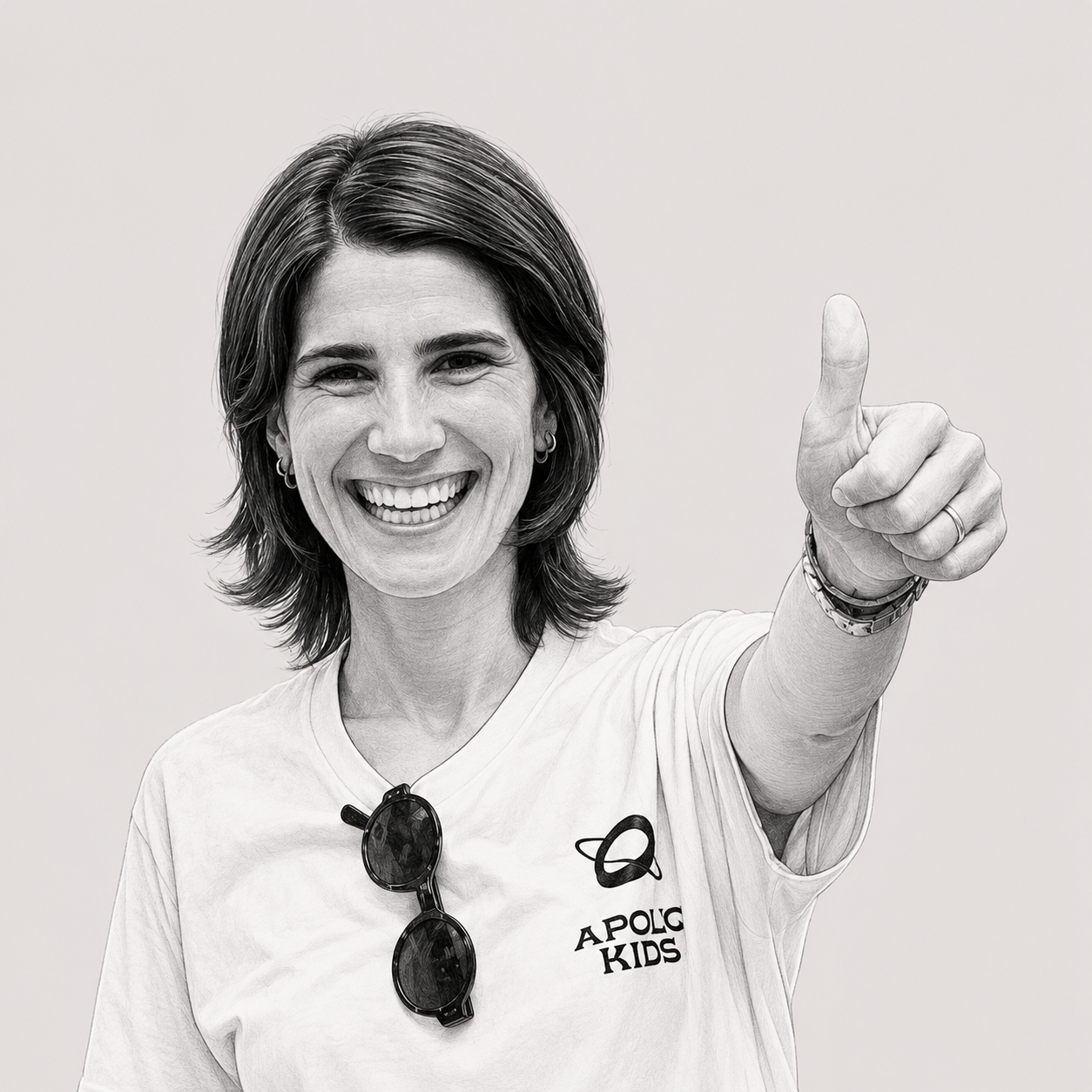
Co-founder and CEO
-
Three years ago, Apolo Kids joined the LEGO Foundation’s Play for All program, marking a turning point in how we create impact. Through this journey, we learned to slow down, listen, and observe more closely — working with children, families, educators, and experts to better understand diverse needs. This shift transformed both our product and culture, leading to more inclusive and adaptive learning experiences shaped through real-world feedback and co-creation.
As a result, children, including neurodivergent learners, now engage with learning experiences better suited to their abilities, interests, and learning rhythms, while educators gain stronger tools to support diversity in the classroom. Collaboration with researchers, institutions, and partners has also helped us validate impact both qualitatively and quantitatively, ensuring meaningful learning outcomes. With support from the LEGO Foundation and the Early Childhood Authority of Abu Dhabi, Apolo Kids has strengthened its ability to scale inclusive, evidence-based solutions that reduce inequalities and expand access to quality learning.
-
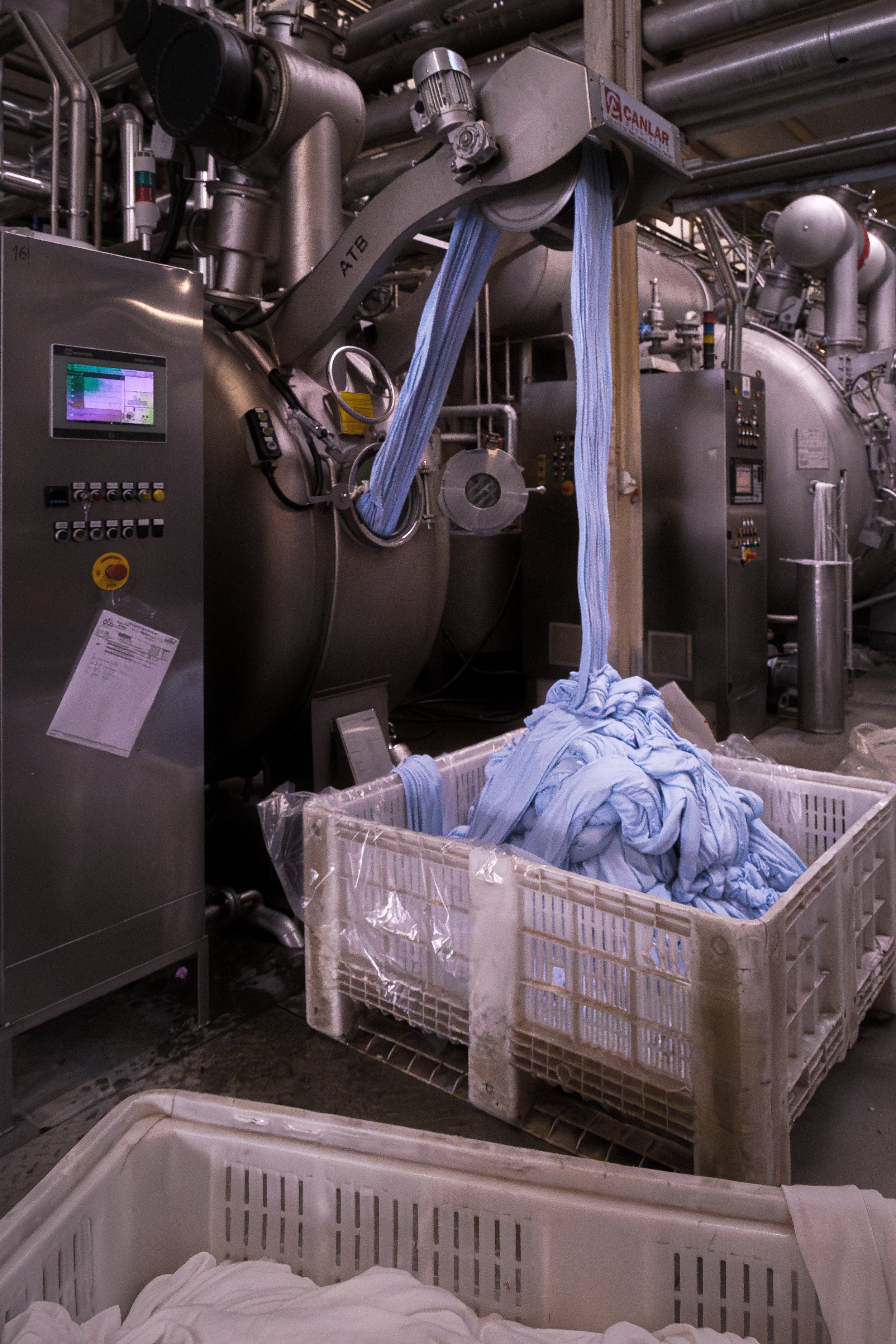
Everything takes longer and costs more than expected. Early on, projects often take twice as long and cost at least 50% more than planned. When developing our microbe-based dye technology, we assumed customers would buy fermenters elsewhere. But lead times were long and costs were high, so we started building our own to standardize and reduce costs. Even then, creating a supply chain and sourcing components took far longer than expected. No matter the solution, things almost always take more time and money than you anticipate.
Common sense is not very common. Communication needs to be constant, clear, and repetitive. People must understand priorities, what is changing, and what must stay consistent. Some things evolve, others should remain stable. Repetition is essential, something I underestimated in the beginning.
There are often fewer ready-made solutions than you think. Many times, we assumed someone had already solved a problem and we could simply buy the solution. Often, that wasn’t the case, so we had to build our own, like with the hardware. At the same time, unexpected shortcuts do exist. In textiles, for example, some dye-related issues have already been solved through additives or treatments. The key is to constantly look for existing solutions, while being prepared to create your own when necessary.
-
All our products are tech based and we have limited use of AI in product development
-
More incentives to adopting sustainable technologies e.g 2% tax break on products sold. And 3% added tax on products that don't use more sustainable solutionscription